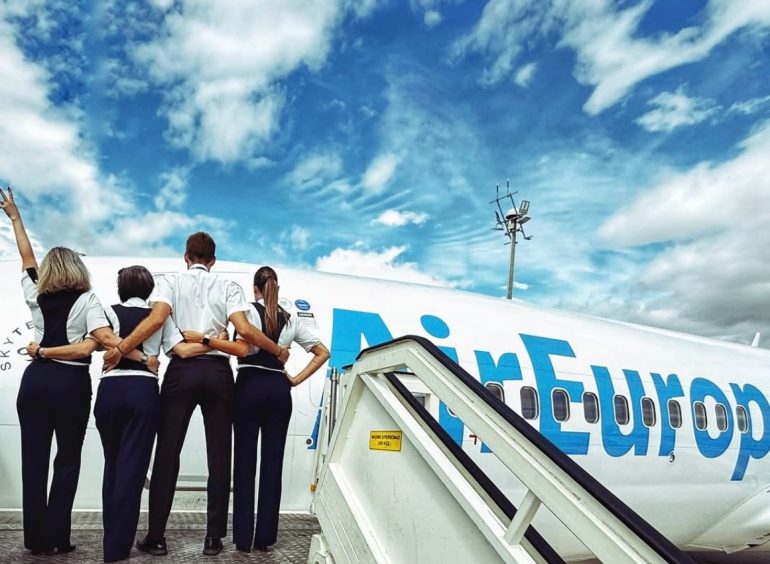

Spanish airline Air Europa is celebrating ten years of operations in Paraguay with its strongest financial performance to date. Since launching its first flight on 16 December 2015, the carrier has transported nearly 1.2 million passengers between Madrid and Asunción, the South American nation’s capital. The milestone arrived as Air Europa reports record passenger numbers and plans further expansion throughout 2026.
For those unfamiliar with Paraguay’s geography, the country occupies the heart of South America, landlocked between Argentina, Brazil, and Bolivia. Asunción, its capital, sits on the Paraguay River and has historically struggled with limited international air connectivity. Before Air Europa’s arrival, travellers faced a 21-year absence of direct flights to Madrid, forcing expensive connections through regional hubs.
Air Europa’s entry reshaped travel options
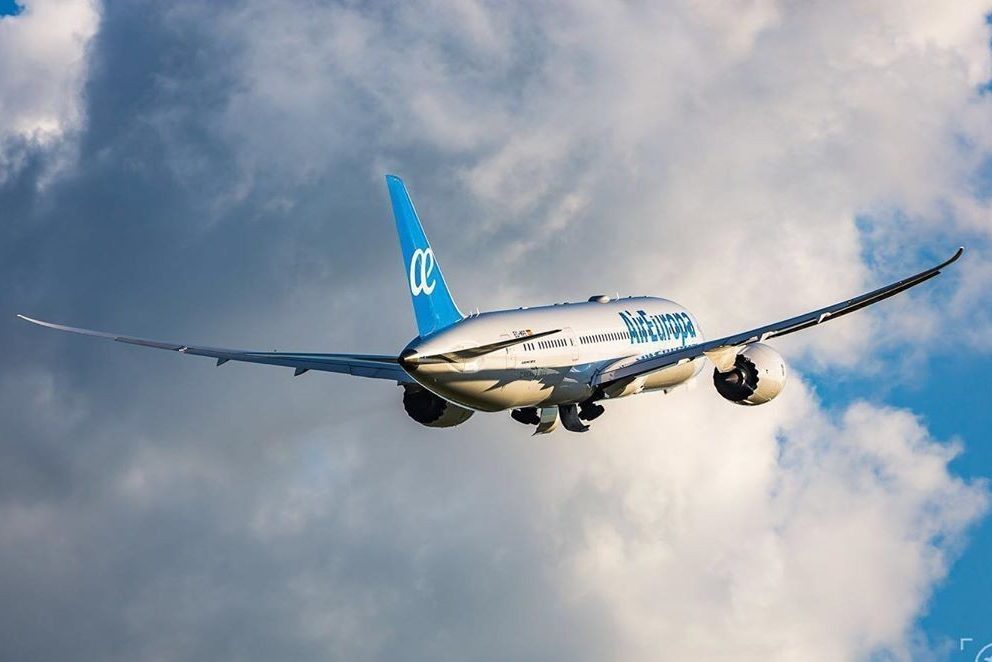
The Spanish airline’s decision to establish this route reflected broader strategy across South America. Air Europa began with modest ambitions, two weekly frequencies that gradually expanded as demand proved stronger than initially projected. By 2023, the airline recommitted to direct service after previously operating a triangulated schedule through Córdoba, Argentina.
The real transformation occurred during 2025. Air Europa shifted to daily operations beginning in June, a decisive move that signalled confidence in the market’s growth trajectory. This frequency increase required deploying additional aircraft and crew resources, ultimately resulting in over 221,000 available seats for the year. The airline transported more than 202,000 passengers whilst maintaining an occupancy rate of 91 percent, indicating that supply struggles to match demand rather than excess capacity sitting empty.
Connectivity beyond Madrid
The significance of Air Europa’s presence extends beyond the direct Madrid-Asunción connection. Through its Madrid hub, the airline operates 55 company-owned destinations across Europe, North Africa, and the Middle East. Additionally, SkyTeam alliance partnerships grant passengers access to more than 200 supplementary destinations worldwide. For Paraguayans historically accustomed to limited European options, this breadth represents genuine transformation in lifestyle and business possibilities.
Government authorities have acknowledged the route’s broader impact beyond aviation. Paraguay’s Foreign Minister and Tourism Minister attended anniversary celebrations at the Spanish Embassy, recognising how the airline’s sustained presence has enhanced competition at Silvio Pettirossi International Airport and supported tourism-dependent sectors. Officials credited Air Europa with improving fare competitiveness and positioning Paraguay as a viable entry point to South America for European travellers and investors.
A decade of sustained operations
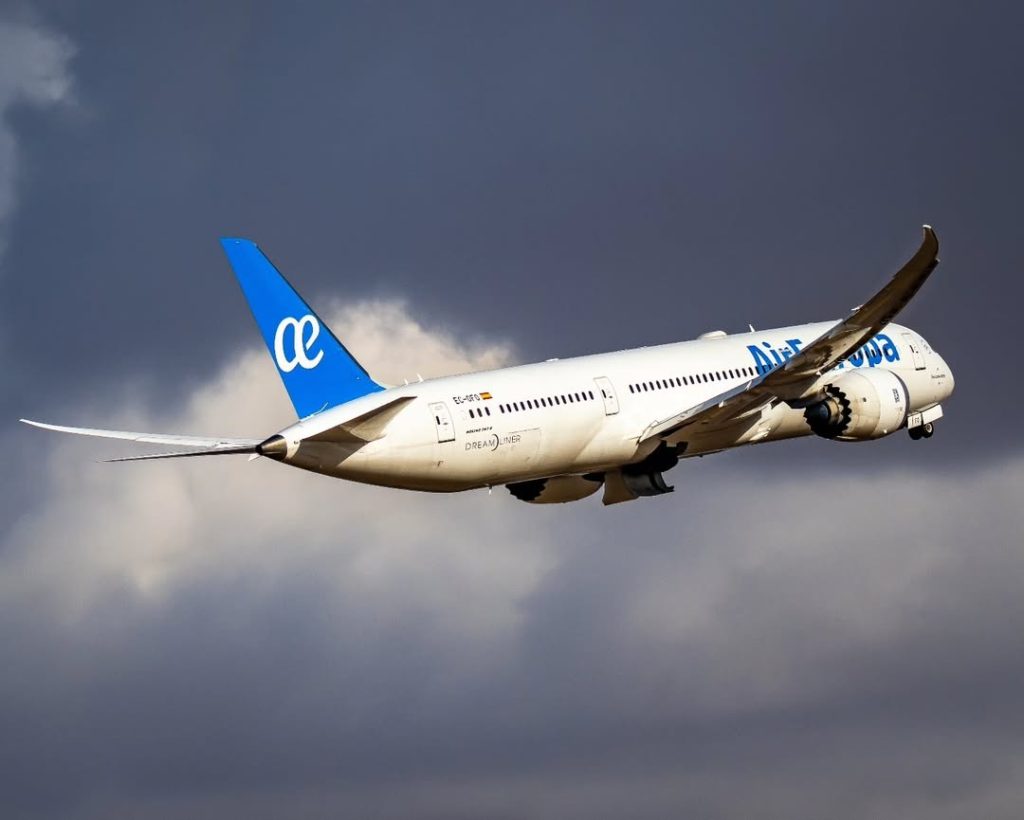
Air Europa’s commitment to this route has weathered significant industry challenges. Across ten years, the airline executed more than 4,400 individual flights with an average occupancy rate of 88 percent. All operations utilise the Boeing 787 Dreamliner, a fuel-efficient aircraft that reflects Air Europa’s environmental commitments alongside operational economics.
The route progressed from experimental service to strategic necessity within Air Europa’s regional network. Initial scepticism about Paraguay’s commercial viability has given way to recognition that the market supports both current operations and planned expansion. Management has announced intentions to increase flights by 8 percent during 2026, expecting to exceed 247,000 available seats as demand continues climbing.
Future trajectory
Looking forward, Air Europa faces the challenge of managing growth responsibly. The airline has committed to sustainability objectives including sustainable aviation fuel (SAF) adoption and digitalisation of ground operations. These investments position the carrier to expand capacity without proportional environmental impact increases.
For Paraguay, Air Europa’s decade of operations represents more than commercial aviation statistics. The route has facilitated educational exchanges, tourism growth, and business development that would have remained impossible under previous connectivity constraints. As the airline enters its second decade, both the company and the country appear committed to deepening a partnership that has reshaped South American travel.