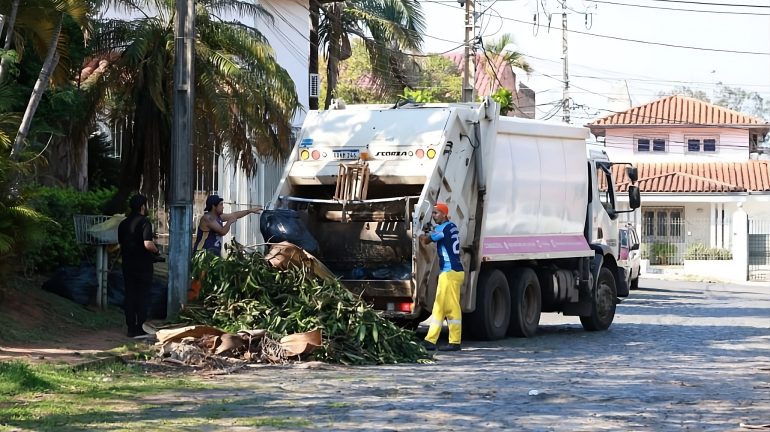

Waste management in Paraguay is handled by municipalities, waste separation is limited, and recycling relies heavily on informal workers. For newcomers, this can feel confusing at first. This guide explains, in simple terms, how rubbish is collected, disposed of and recycled in Asunción, and across the country.
Paraguay has its own rhythm, challenges and habits when it comes to waste management. Official collection schedules vary by city, separation is not widely practised, and much of the recycling process depends on informal labour. Understanding these basics helps residents adapt quickly and manage household waste effectively.
Basics of waste management in Paraguay
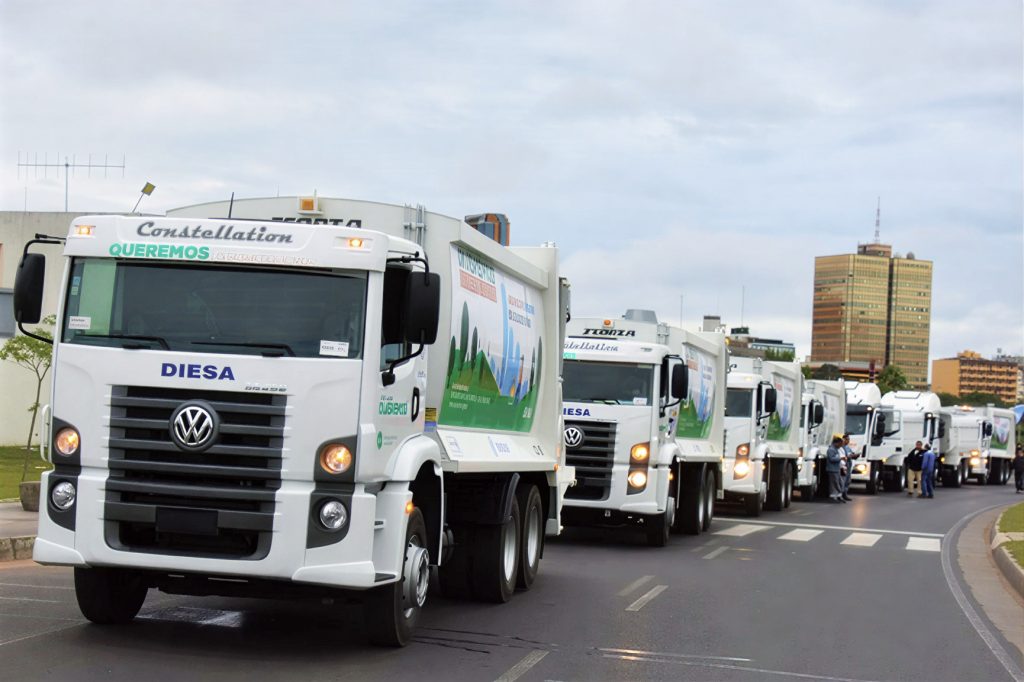
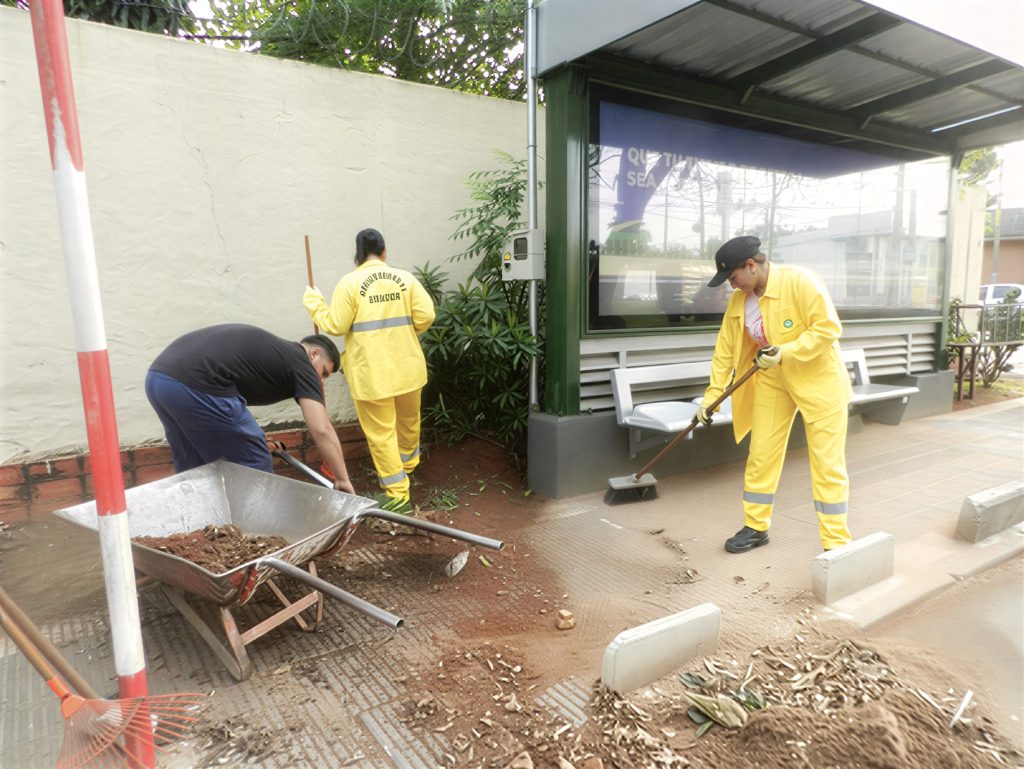
Municipal governments are responsible for waste collection. In Asunción, specifically, this task falls to the Directorate of Urban Services (DSU), while neighbouring cities such as Luque and Lambaré operate their own systems.For accurate, up-to-date information, the local municipality is always the best point of reference.
Collection usually takes place several times a week, depending on the neighbourhood. If you live in a flat, it is advisable to ask neighbours or the building manager about collection days and where rubbish should be placed.
Most households use plastic bags for waste. Many place these on traditional Paraguayan metal waste stands, which keep bags off the ground, reduce the risk of animals tearing them open and make collection easier for workers. Others leave bags directly on the pavement, positioned for visibility.
Wheelie bins, common in many other countries, are far less widespread. Authorities limit waste separation and rarely enforce it. However, collection workers often ask residents to separate glass to prevent injuries and torn bags.
Households and their waste
Most households follow a simple routine: all waste goes into the same bag. People usually mix organic waste, plastics, cardboard, nappies, food scraps, textiles and packaging together. In practice, some families separate recyclables, though this is a personal choice rather than a legal requirement.
A small number of communities and private organisations offer recycling points, but these initiatives are voluntary and not part of a national system. For most Paraguayans, waste separation is not part of everyday life.
What happens after collection
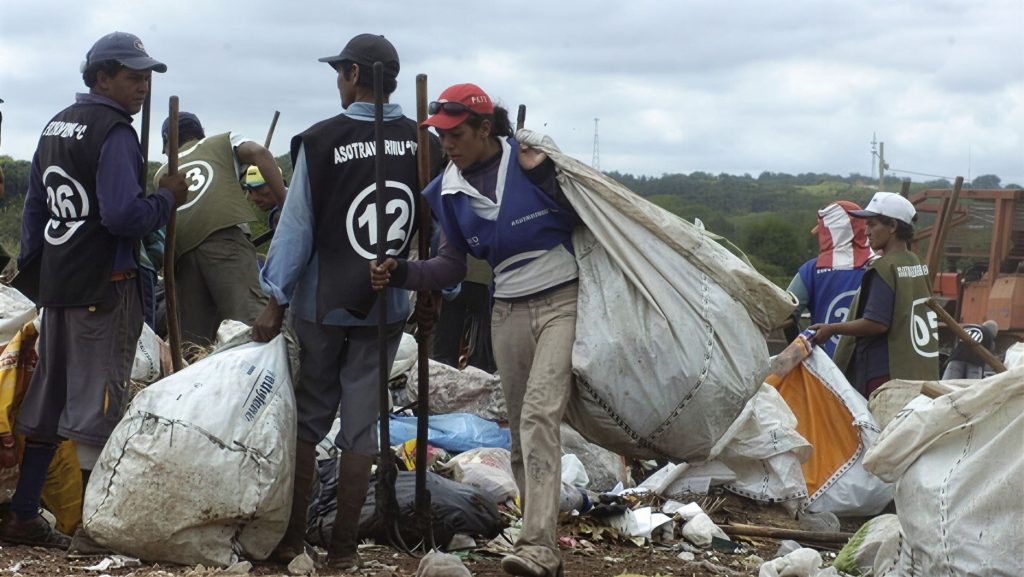
Once collected, trucks transport the rubbish to transfer stations or landfills. In Asunción, the main site is Cateura, a landfill that has operated for decades and remains one of the country’s most important waste facilities. Other cities use smaller municipal landfills or private services.
Paraguay does not yet have large-scale recycling plants. Instead, recycling depends largely on gancheros: informal recyclers who recover cardboard, plastic and aluminium from streets, bins and landfills. Their work gives part of the waste stream a second life.
Recycling in Paraguay
Recycling exists, but it is not systematic. Gancheros play a central role, working independently or within landfill sites, often in precarious conditions. Integrating them into formal recycling systems remains a major challenge for public authorities.
Some municipalities provide recycling points for paper, plastics or electronic waste, but coverage is inconsistent. NGOs, private companies and educational institutions run small-scale awareness campaigns and recycling initiatives. However, without a nationwide separation policy, success depends largely on individual effort.
A system that works in its own way
Paraguay’s waste management system combines municipal collection, informal recycling and long-established habits. While it lacks the structure of systems found elsewhere, it functions thanks to the people who sustain it daily: municipal workers, informal recyclers and communities slowly adopting new practices.
For newcomers, the system may appear chaotic. For Paraguayans, it is simply familiar. The challenge now is to build on that familiarity and turn it into a foundation for a more sustainable future.